

Why Larch Might Just Be the Best Timber on the Market
I’ll say it upfront: larch doesn’t always get the hype it deserves. It’s not as fashionable as oak, not as widely talked about as cedar, and not always the first timber people think of when planning a build. But once you really understand what larch brings to the table, it’s hard to ignore. In fact, for many projects, larch quietly outperforms the competition—and does it without blowing the budget.
One of the biggest reasons larch stands out is its natural resin content. This isn’t just a minor feature; it’s the secret weapon that makes larch so incredibly durable. The resin acts as a built-in defence system, protecting the timber from moisture, decay, and insects. That’s why larch performs so well outdoors without the need for heavy chemical treatments. Rain, frost, wind, sun—larch takes it all in stride. Over time, it weathers beautifully, developing a silvery-grey patina that looks intentional rather than tired. For cladding, fencing, decking, or any exposed structure, this natural durability is a huge win.
“Larch: The Timber That Quietly Outperforms.”
Despite this toughness, larch is technically a softwood, and that brings a whole set of advantages. Softwood doesn’t mean weak—it simply refers to the species, not the strength. Being a softwood makes larch far more cost-effective than hardwoods like oak. Oak is stunning, no doubt, but it comes with a price tag that can quickly limit creativity or scale. Larch offers a similar sense of character and longevity, but at a much more accessible price point. That balance—strength without the premium—makes it an easy choice for both residential and commercial builds.
Mellisa and her sister by retro caravan
Mellisa and her sister by retro caravan
Nature’s built-in protection: the resin-rich grain that makes larch so durable.
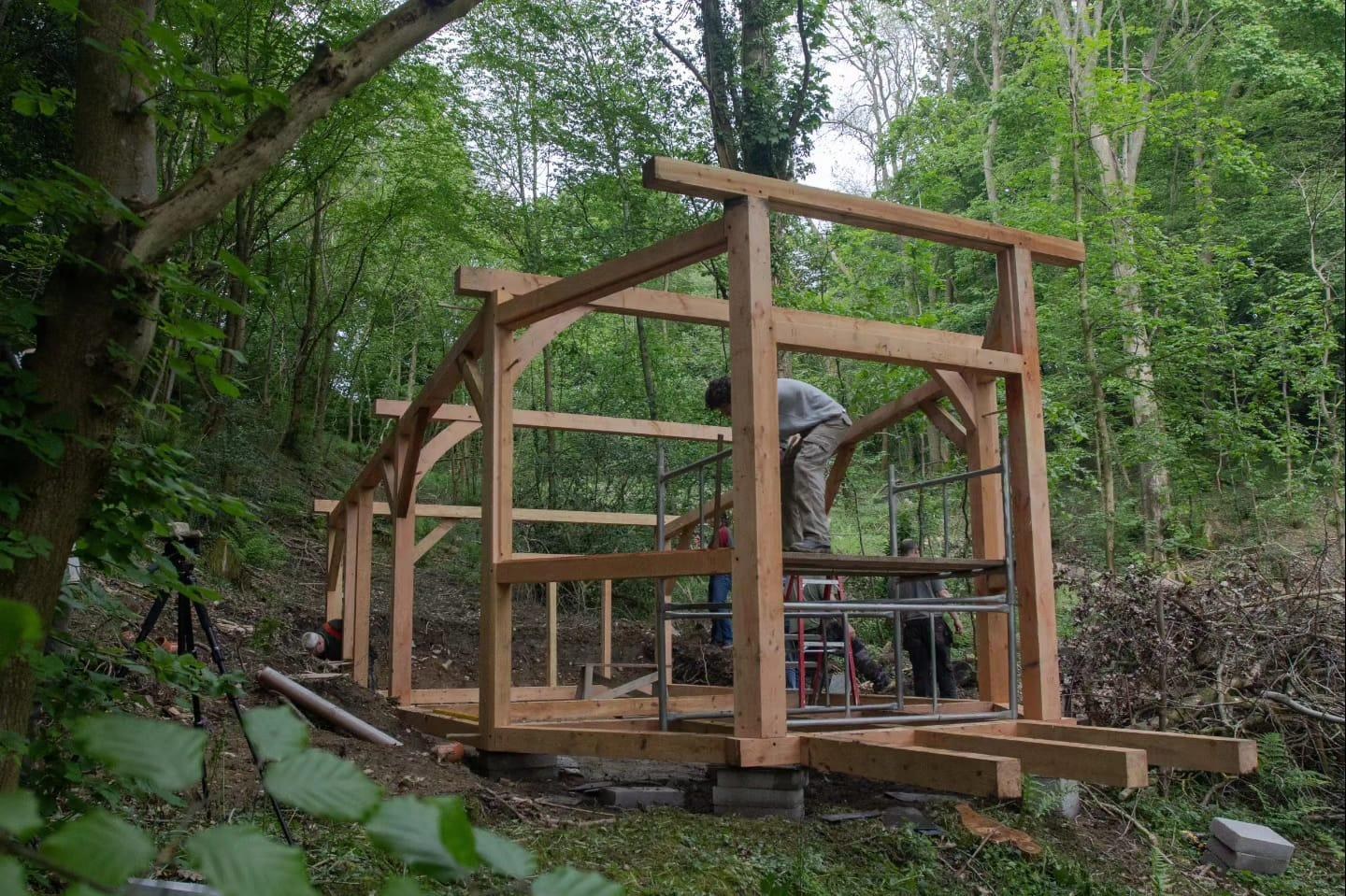
Structurally, larch punches well above its weight. It has excellent strength-to-weight properties, which makes it ideal for timber framing and structural applications. It’s stable, resilient, and holds its shape well when properly seasoned. Builders love it because it behaves predictably, and designers love it because it looks good while doing the hard work behind the scenes. Whether it’s framing a home, creating bold exterior cladding, or adding architectural features, larch offers reliability you can build confidence on.
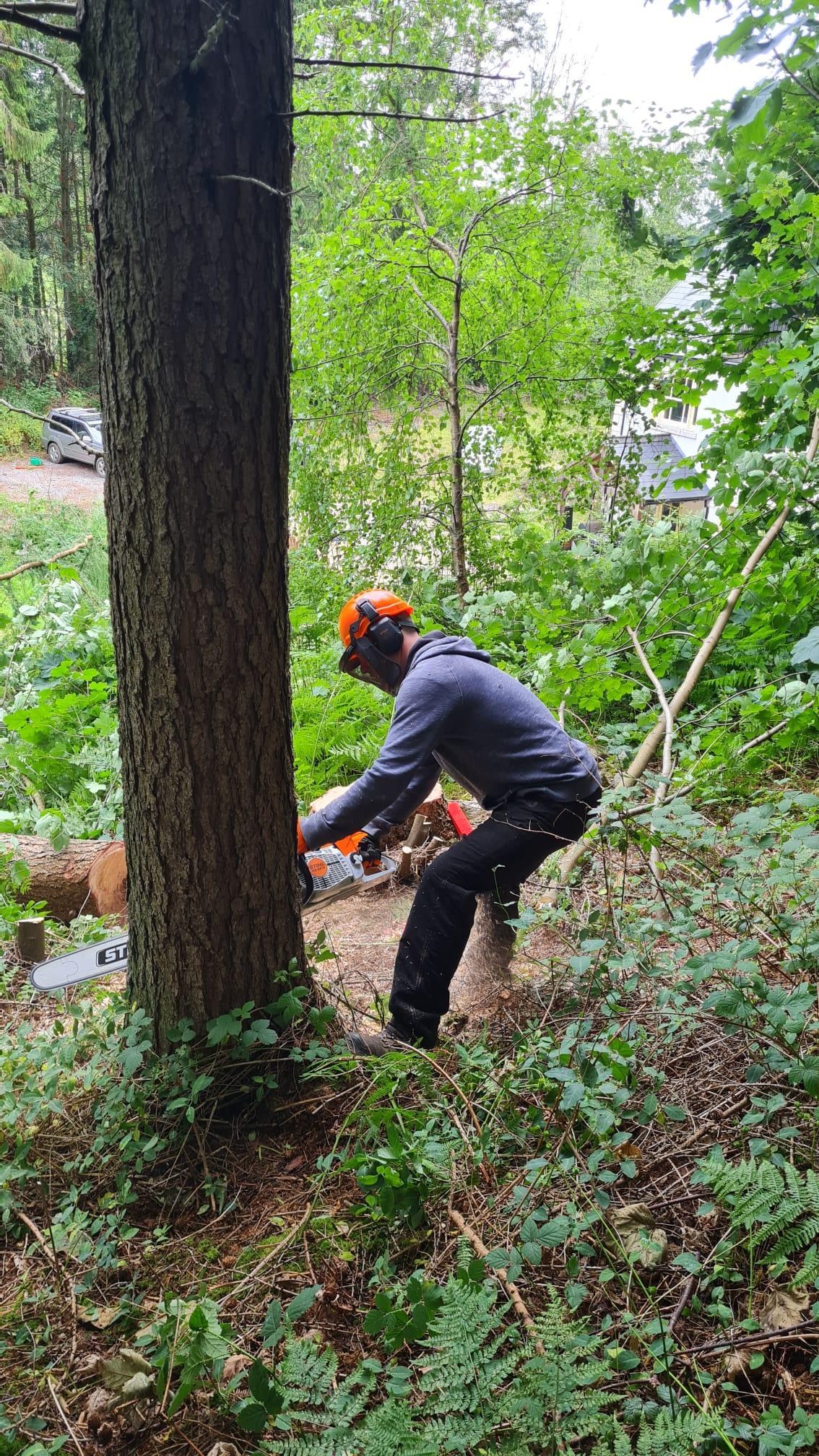
Another reason larch is such a joy to work with is how well it mills. It machines cleanly, finishes nicely, and takes to dimensional sizing without fuss. That makes it perfect for producing consistent, high-quality dimensional lumber—boards, beams, battens, and profiles that are easy to install and satisfying to work with. Less waste, fewer surprises, and smoother workflows are always welcome on a job site, and larch delivers on all fronts.
“Easy to mill, easy to work with, and ready for anything.”
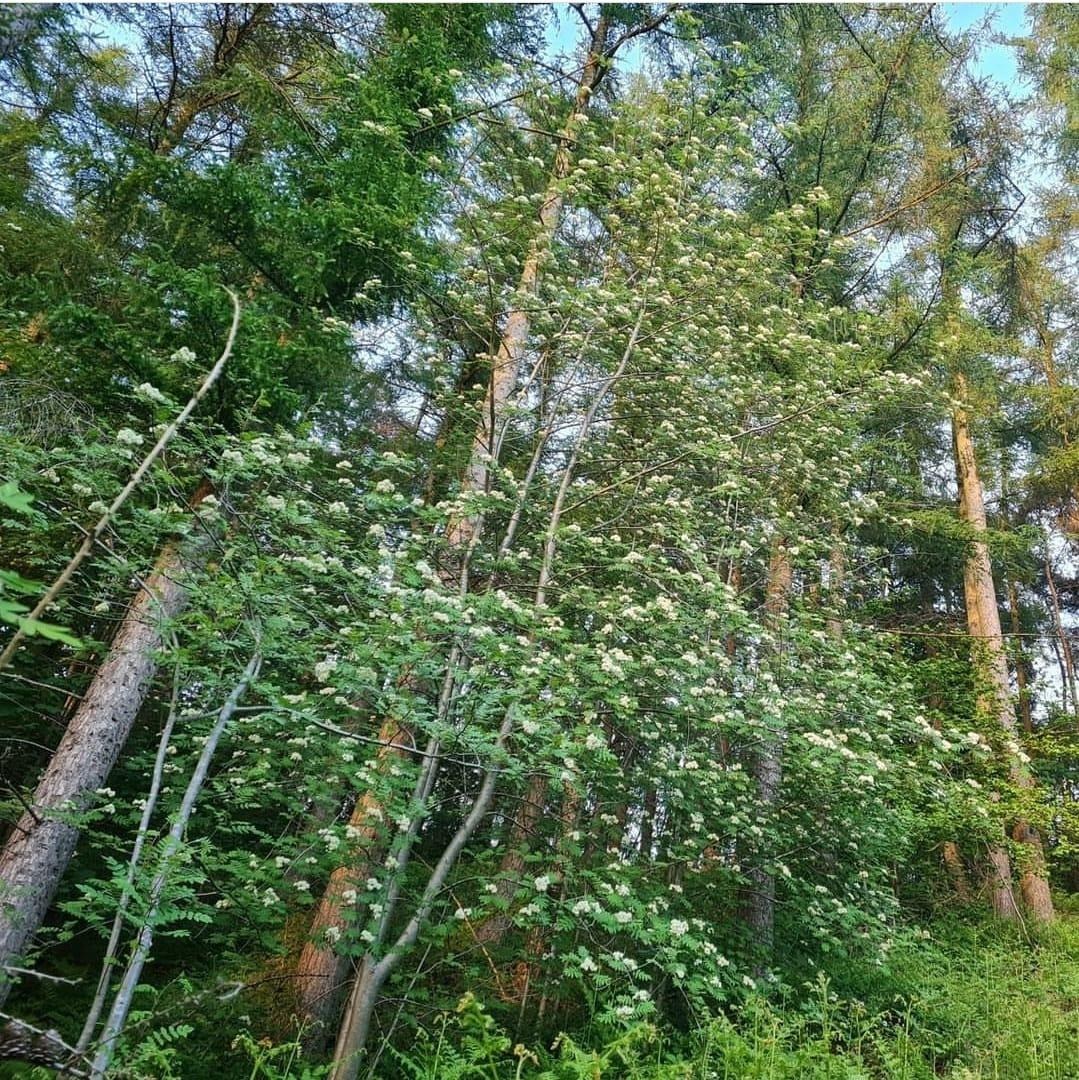
There’s also something deeply appealing about larch from a sustainability perspective. It grows relatively quickly compared to hardwoods, making it a more renewable resource when responsibly managed. Choosing larch can be a practical step toward building with materials that balance performance, aesthetics, and environmental responsibility.
What really seals the deal, though, is versatility. Larch doesn’t force you into a single look or application. It works just as well on a modern architectural façade as it does on a traditional barn-style build. It can be left raw to weather naturally, treated for colour consistency, or finished to highlight its warm grain and subtle knots. Few timbers offer that level of flexibility without compromise.
So is larch the best timber product on the market? For many uses, it’s hard to argue otherwise. It’s durable thanks to its natural resin, outdoor-friendly without heavy treatments, structurally strong, cost-effective compared to oak, easy to mill, and adaptable across countless applications. Larch doesn’t shout—it simply performs, year after year. And sometimes, that’s exactly what the best materials do.